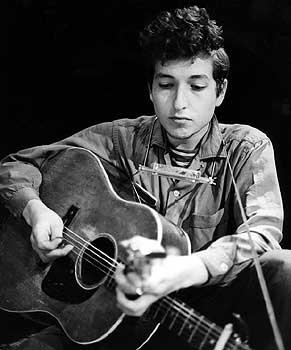
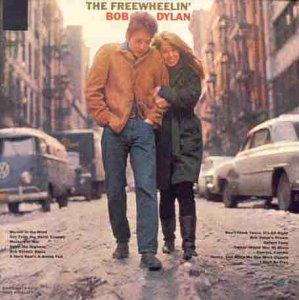
"No Direction Home" coloured in "Chronicles" - the first volume of Dylan's autobiography. It was lovingly crafted television with rare footage and photographs of Dylan's early years in New York, interspersed with commentary from the man himself at sixty four. Several things come across. Firstly, his love of music and the way he soaked up whatever music he encountered. Secondly, his healthy inability to accept that he was anything other than the lad who had hitched from the Mid West with a musical passion - not a leader or an idol. Thirdly, the sense that he was in the right place at the right time - that post war world was looking for heroes that the young could muster around - Elvis, The Beatles and for the avant garde, the true seekers of secrets - a guy who was building upon the transatlantic folk tradition. Fourthly, his tenderness and unassuming character.
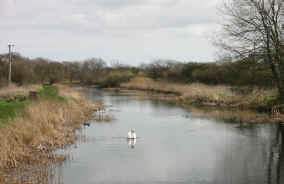
 Tonight I watched "Dylan in the Madhouse" - a documentary about this rather amazing trip to England that Dylan made at Christmastime, 1962 to play a part in an obscure BBC drama called "The Madhouse on Castle Street". Unluckily, it seems that there are no copies of this film, just a few audiotapes - "The Swan on the River Goes Gliding By" and "Blowing in The Wind" before anybody else had ever really noted that unforgettable song. It seems that "Girl From the North Country" was hugely influened by the old English folksong "Scarborough Fair", long before Simon and Garfunkel picked it up.

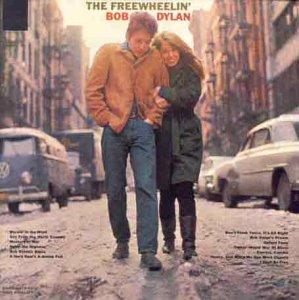
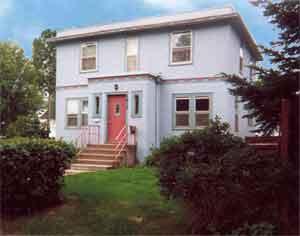
 In endless summers, we explored the arable land west of our village. Empty lanes reached out across chocolate coloured earth to the River Hull. In the woods near Heigholme Hall - where the Colonel lived with his mysterious daughter - we built dens and made our own adventure playground, hardly breathing when badgers investigated a clearing swathed in honey coloured sunshine that filtered through a canopy of beech, sycamore and horse chestnut.